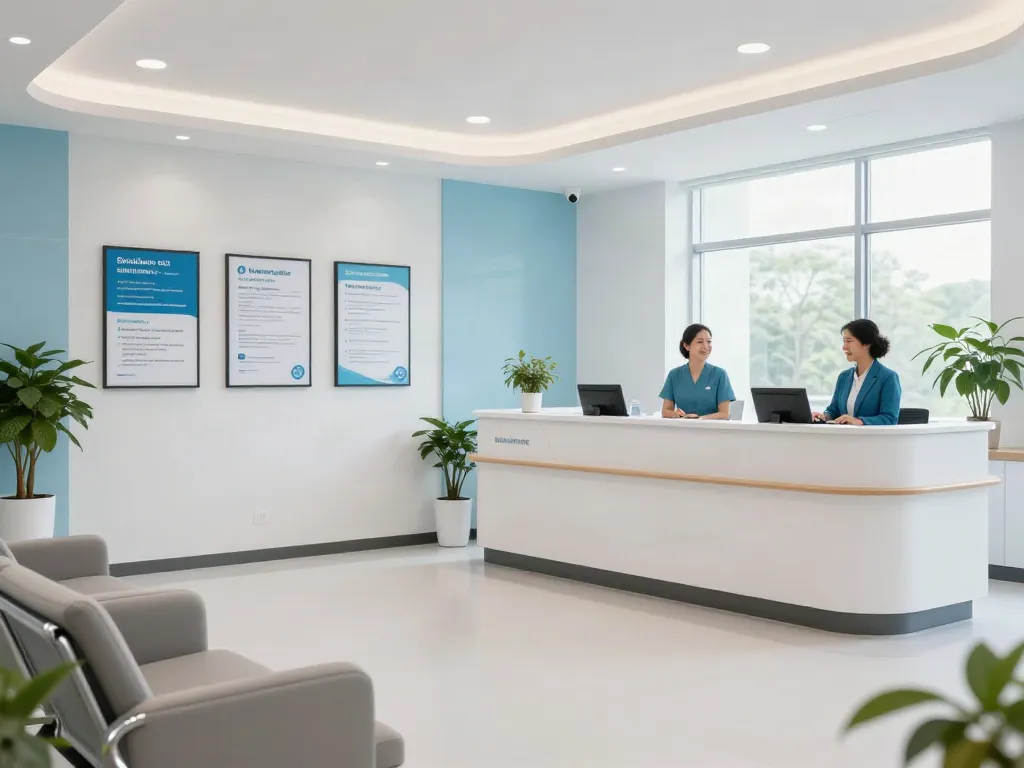
Understanding the Role of Digital Health Innovations in Patient Care
In today’s healthcare landscape, the integration of digital health innovations simplifies patient care, making it more accessible and efficient. Digital health encompasses a broad spectrum of technologies that support health-related services and research. It enhances communication between patients and healthcare providers, promotes health education, and facilitates the management of medical records, prescriptions, and appointments. When exploring options, link togel is one such resource providing insights into current digital health trends and their benefits for patients.
What is link togel and its relevance to healthcare?
Link togel refers to online platforms that facilitate various healthcare services, including the management of appointments, prescriptions, and health information. These platforms have become increasingly relevant, especially in the wake of the COVID-19 pandemic, which accelerated the adoption of telemedicine. By utilizing link togel resources, patients can access verified health-related content, connect with healthcare providers, and receive timely medical advice from the comfort of their homes.
How digital platforms enhance patient-provider communication
Effective communication between patients and healthcare providers is paramount for quality care. Digital platforms enable seamless interactions through secure messaging, video consultations, and easy access to health records. This immediacy allows for rapid troubleshooting of issues, the clarification of treatment plans, and ongoing monitoring of chronic conditions. Patients no longer need to wait for close office hours to discuss pressing health concerns; digital means ensure their questions are answered and health services are administered in a timely fashion.
Benefits of telehealth services in modern medicine
Telehealth services bring numerous advantages to patients, including improved accessibility, especially for those in remote areas, reduced wait times, and personalized care options. With telehealth, patients can schedule appointments that fit their busy lifestyles while receiving the same level of attention and thoroughness as they would in a physical consultation. Notably, telehealth has proven effective in managing chronic diseases, providing mental health support, and delivering timely healthcare to the elderly population.
Exploring the Importance of Preventive Health and Wellness Screenings
Preventive health measures are vital for maintaining overall well-being and identifying potential health issues before they become serious. Regular wellness screenings provide baseline health data, help establish pertinent health goals, and detect conditions at an early stage where interventions can be made effectively.
Key preventive screenings every patient should consider
- Blood Pressure Screenings: Essential for monitoring cardiovascular health, ideally conducted annually.
- Cholesterol Checks: Recommended every 4-6 years for adults, or more frequently depending on risk factors.
- Diabetes Screening: Adults aged 45 and older, or those at risk, should have their blood sugar levels checked regularly.
- Cancer Screenings: Mammograms, colonoscopies, and prostate checks vary based on age and family history.
- Immunizations: Staying updated with vaccinations is crucial for preventing various infectious diseases.
How to prioritize wellness in a busy life
In our fast-paced world, prioritizing wellness can be challenging. Setting aside time for regular physical activity, establishing a healthy diet, and scheduling preventive health checks are essential steps. Technology plays an integral role here; mobile health apps can provide reminders for medication, track diet and exercise, and assist in managing health conditions. Incorporating health into daily routines ensures that individuals do not overlook their well-being amidst their busy schedules.
Evidence-based recommendations for holistic health
Achieving holistic health involves more than just physical wellness. Patients should also consider mental, emotional, and social health. This can be achieved through regular exercise, balanced nutrition, mindfulness practices like meditation, and forming positive social connections. Evidence-based practices encourage patients to adopt sustainable health habits that promote an enhanced quality of life and overall well-being.
Pediatric and Geriatric Care: Tailoring Services for All Ages
Pediatric and geriatric populations require personalized care due to their unique health needs. Understanding these care differences allows healthcare providers to develop appropriate treatment protocols that ensure effective care throughout individuals’ lives.
What to expect during pediatric health visits
Pediatric health visits typically involve comprehensive assessments of growth and development, vaccinations, and developmental screenings. Healthcare providers often engage parents to understand concerns about their child’s behavior, development, and health history. Early intervention in addressing any developmental challenges can significantly affect long-term outcomes in children.
Understanding geriatric health needs and challenges
Geriatric care focuses on the study, prevention, and treatment of illnesses in older adults, recognizing the complexity of their health needs. Aging patients often have multiple chronic conditions that require careful coordination of care. Healthcare providers must also address challenges such as polypharmacy, mobility issues, and cognitive decline to enhance the quality of life for elderly patients.
How family involvement enhances patient outcomes
Active family participation in healthcare greatly enhances patient outcomes. In pediatric settings, involving parents or guardians ensures that children's health history, treatment plans, and follow-up recommendations are clearly communicated. For elderly patients, family members can assist in decision-making, medication management, and providing emotional support, resulting in improved adherence to treatment plans and overall health outcomes.
Managing Chronic Diseases: Strategies for Patients and Caregivers
Chronic disease management is a multifaceted process requiring efforts from both patients and caregivers. Effective management often results in reduced hospitalizations, improved quality of life, and better health outcomes.
Comprehensive approaches to chronic disease management
Comprehensive chronic disease management involves a combination of medication adherence, regular follow-ups, lifestyle modifications, and patient education. By utilizing care plans that encapsulate these elements, healthcare providers can offer more effective interventions tailored to individual requirements.
Empowering patients through education and support
Education plays a crucial role in chronic disease management. Providing patients with information regarding their conditions allows them to make informed decisions regarding their care. Support groups, health coaching, and community resources can further empower patients to engage actively in their treatment plans, fostering a sense of autonomy and responsibility for their health.
Utilizing technology to track health metrics
Modern technology, such as wearable fitness trackers and mobile health applications, facilitates the monitoring of health metrics like blood pressure, heart rate, and blood glucose levels. Such tools enable patients to record their health data in real-time, providing valuable insights for both patients and healthcare providers when making care decisions.
The Future of Medical Services: Trends to Watch in 2026
The healthcare landscape is continuously evolving, with innovative technologies shaping the delivery of medical services. Understanding these trends prepares patients and providers for the future of healthcare.
Innovative technologies transforming healthcare delivery
In 2026, healthcare delivery will prioritize technological advancements such as artificial intelligence, virtual reality, and more personalized medicine options. AI can assist healthcare providers with diagnostic processes and treatment planning by analyzing vast datasets to identify patterns that improve patient outcomes.
The role of patient advocacy in healthcare changes
As healthcare becomes more complex, patient advocacy is more vital than ever. Advocates help navigate the healthcare system, ensuring patients receive timely treatments and fair opportunities. Empowering patients through education and support can lead to more engaged individuals who actively participate in their health care.
How access to information empowers patients
Access to reliable health information has profoundly affected patient involvement in care decisions. Well-informed patients are more likely to engage fully in their treatment journeys, leading to improved health outcomes. Educational resources, including reputable healthcare websites and articles, serve to empower patients with the knowledge necessary to make informed decisions.